
Nestled in the heart of Marrakech’s bustling medina lies a hidden gem that remained concealed for centuries – the Saadian Tombs. This architectural marvel, dating back to the late 16th century, offers visitors a glimpse into the opulent world of Morocco’s Saadian dynasty. Despite their historical significance, these tombs were lost to time until their rediscovery in 1917, making them one of the most intriguing attractions in the Red City.
The story of the Saadian Tombs is as fascinating as the site itself. Built during the reign of Sultan Ahmad al-Mansur, the last ruler of the Saadian dynasty, these tombs were intended to be the final resting place for him and his family. However, after the fall of the Saadians, their successors, the Alaouite dynasty, sought to erase all traces of the previous rulers. In a twist of fate, instead of destroying the tombs, they simply sealed off the entrance, inadvertently preserving this magnificent piece of history for future generations.
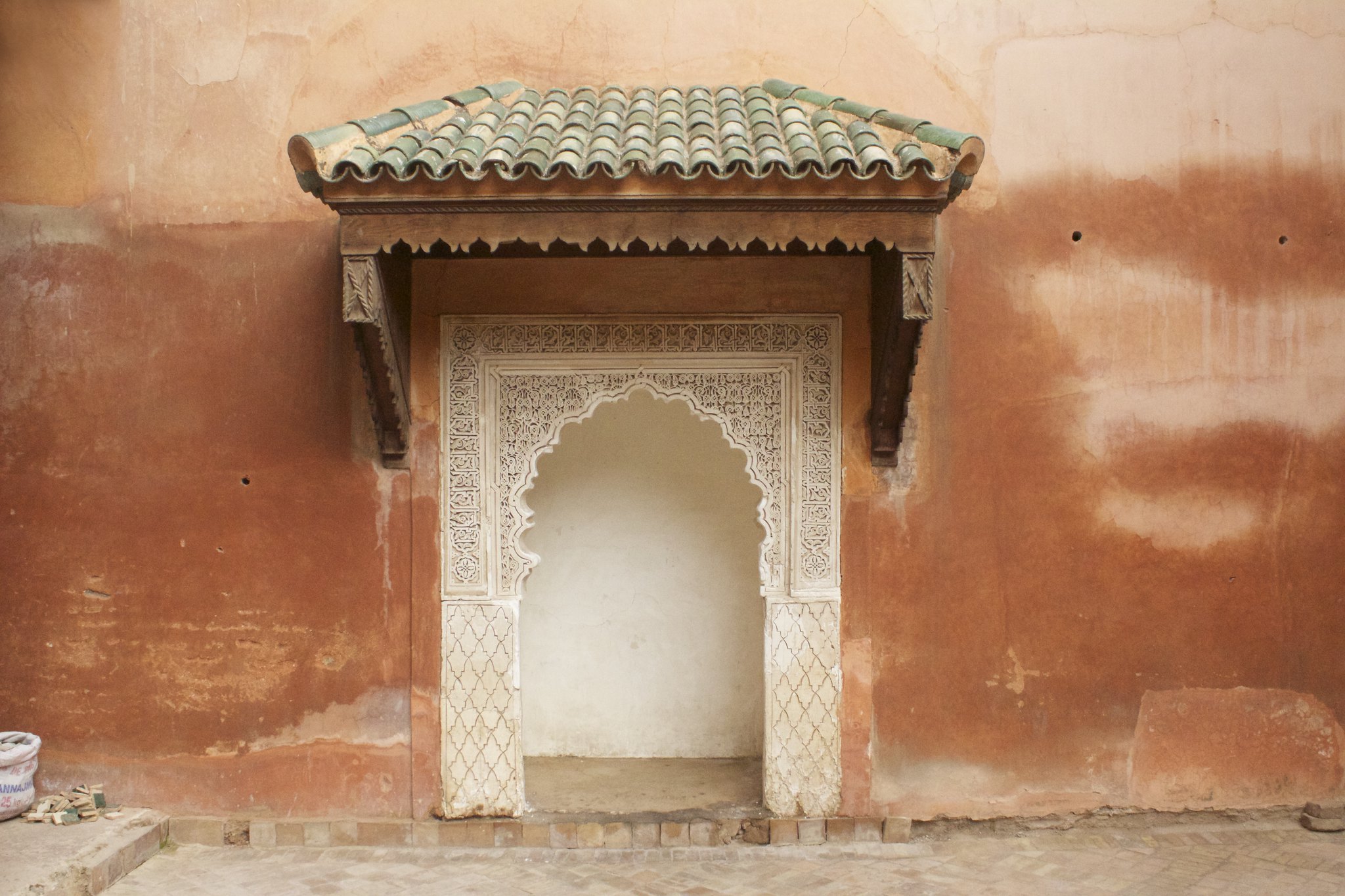
As you step into the complex, you’re immediately transported back in time. The intricate zellige tilework, delicate stucco decorations, and ornate cedar wood carvings are a testament to the skill of Moroccan artisans of the era. The main mausoleum, known as the Hall of Twelve Columns, is particularly breathtaking. Here, you’ll find the tomb of Sultan Ahmad al-Mansur himself, surrounded by those of his closest family members. The room’s soaring cedar wood ceiling and Italian Carrara marble columns create an atmosphere of grandeur befitting a royal burial chamber.
Moving through the complex, you’ll encounter over 60 tombs, each telling its own story. The intricate epitaphs carved into the tombstones provide fascinating insights into the lives and deaths of the Saadian nobility. It’s a historian’s dream come true, offering a wealth of information about this pivotal period in Moroccan history.
One of the most captivating aspects of the Saadian Tombs is the way they blend different architectural styles. While predominantly Moorish in design, keen observers will notice influences from other cultures, including Andalusian and Italian elements. This fusion of styles reflects Morocco’s position as a crossroads of civilizations and its rich, diverse heritage.
Despite their historical significance, the Saadian Tombs remain relatively uncrowded compared to other attractions in Marrakech. This allows visitors to explore at their own pace, soaking in the peaceful atmosphere and admiring the intricate details without feeling rushed. It’s a welcome respite from the hustle and bustle of the nearby souks and provides a moment of tranquility in the heart of the city.
As you exit the tombs, you might find yourself pondering the twists of fate that led to their preservation and rediscovery. It’s a reminder of the hidden treasures that still lie waiting to be uncovered in this ancient city. The Saadian Tombs serve not only as a window into Morocco’s past but also as a testament to the enduring legacy of its artisans and rulers.
For those planning a visit to Marrakech, the Saadian Tombs should be high on the list of must-see attractions. They offer a unique blend of history, art, and architecture that’s hard to find elsewhere. As you stand amidst the beautifully preserved mausoleums, you can’t help but feel a connection to the past and a sense of wonder at the secrets that lay hidden for so long. The Saadian Tombs are more than just a tourist attraction; they’re a living piece of history, waiting to be explored and appreciated by all who visit.
The Saadian Tombs stand as a remarkable testament to the artistic and architectural prowess of the Saadian dynasty in Morocco. These intricately decorated mausoleums, hidden for centuries and rediscovered in 1917, showcase exquisite craftsmanship through their ornate stucco work, colorful tilework, and carved cedar ceilings. The tombs not only serve as the final resting place for members of the Saadian royal family but also offer valuable insights into the cultural and religious practices of 16th and 17th century Moroccan Islamic society. Their preservation and restoration have made them a significant historical landmark and popular tourist attraction in Marrakech, allowing visitors to glimpse the opulence and artistic legacy of a once-powerful dynasty.